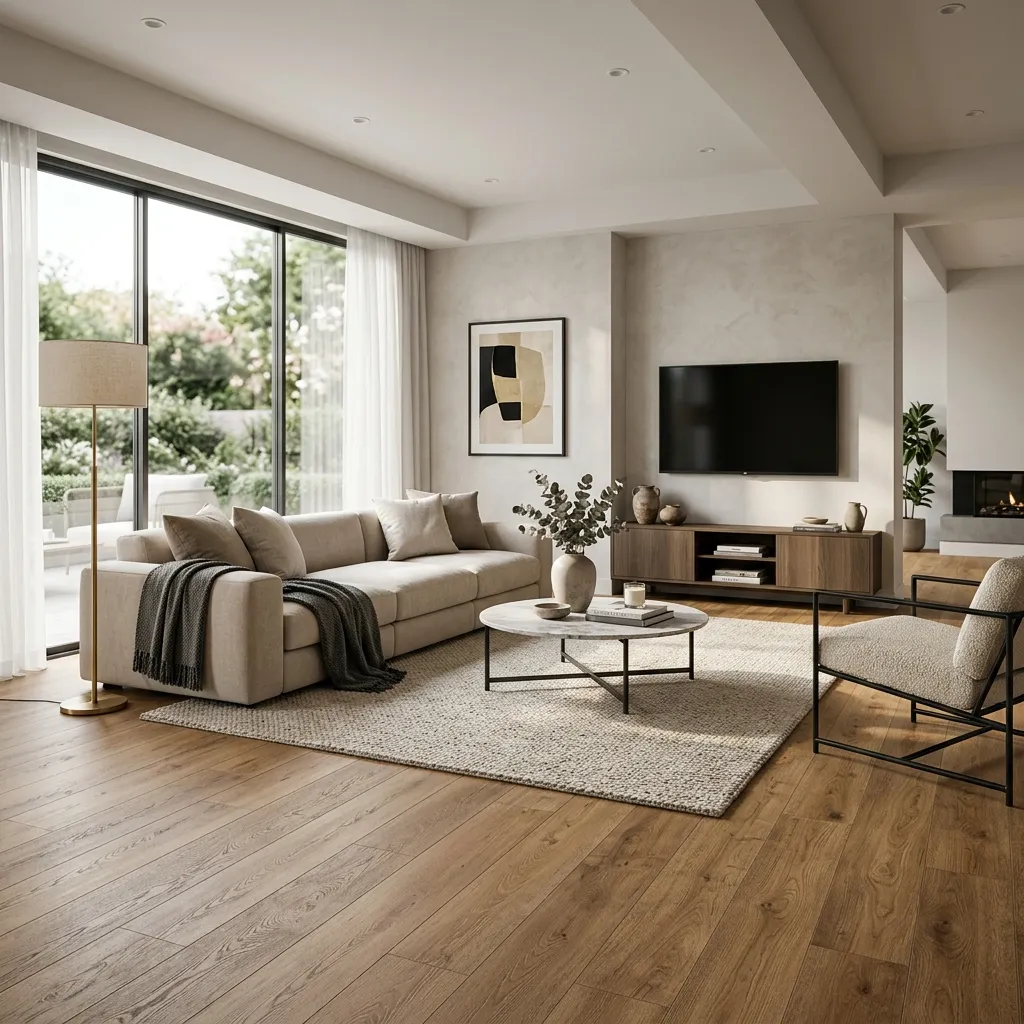
The Definitive SPC Flooring Buyer’s Guide: Wear Layers, Underlayment, & Click-Lock Systems
When it comes to modern home renovations, flooring is one of the most critical decisions you will make. Among the various options available today, Stone Plastic Composite (SPC) flooring has risen to become the market leader in durability and style.
This comprehensive guide is designed to help you understand the core technology behind SPC flooring, how to evaluate specifications like wear layers, what to look for in underlayments, and how click-lock installation keeps your floors water-tight and gorgeous for decades.
1. What is SPC Flooring?
SPC stands for Stone Plastic Composite. Unlike standard luxury vinyl tiles (LVT), which have a flexible PVC core, SPC flooring features a rigid core made from a combination of natural limestone powder, polyvinyl chloride, and stabilizers.
This unique composition provides several massive benefits:
- 100% Waterproof: Perfect for moisture-prone areas like kitchens, bathrooms, and basements.
- Indentation Resistance: The limestone core makes SPC exceptionally dense, protecting it from heavy furniture indentations and dropped objects.
- Dimensional Stability: SPC resists expansion and contraction in response to temperature fluctuations, preventing planks from buckling or shifting.
2. Choosing the Right Wear Layer Thickness
The wear layer is the clear top coating on the SPC plank. It is the single most important factor determining your floor's resistance to scratches, scuffs, and daily wear.
Wear layers are measured in millimeters (mm) or mils. Here is a handy selection guide to help you choose the right specs for your project:
| Traffic Level | Recommended Wear Layer | Ideal Spaces | Suggested Product |
|---|---|---|---|
| Light Residential | 0.3 mm (12 mil) | Bedrooms, guest rooms, home offices | Standard Oak options |
| Moderate Residential | 0.4 mm (16 mil) | Living rooms, hallways, kid's rooms | Heritage Wood SPC |
| Heavy Residential / Light Commercial | 0.5 mm (20 mil) | Kitchens, entryways, retail shops, offices | Herringbone Pattern SPC |
| Heavy Commercial | 0.6 mm (24 mil) + | Shopping centers, hospitals, restaurants | Premium Oak SPC |
Pro Installer Tip: For homes with large pets (especially dogs with long claws), we always recommend upgrading to a minimum 0.5 mm wear layer with a scratch-resistant polyurethane finish to protect your investment.
3. Acoustic Underlayment: Sound Control & Comfort
While SPC flooring is highly durable, its rigidity means it can feel hard and sound noisy underfoot if installed directly over concrete. That is where underlayment comes in.
Many premium SPC planks come with a pre-attached underlayment (such as IXPE or EVA foam). If yours does not, or if you want extra sound insulation, you will need to select a separate underlayment:
- IXPE (Irradiated Cross-Linked Polyethylene): The gold standard. It offers superior sound reduction, moisture resistance, and maintains its thickness over decades without crushing.
- EVA (Ethylene-Vinyl Acetate): A budget-friendly foam option that provides decent cushioning but can compress over time in high-traffic hallways.
- Cork: An eco-friendly option with excellent natural insulation and sound-dampening properties, though more expensive.
4. Click-Lock Systems: How They Keep Floors Waterproof
One of the main reasons SPC flooring is so popular for DIY projects is the click-lock installation system. This technology allows planks to lock together without any glue or nails.
There are three common types of click-lock profiles:
- Angle-Angle (Drop Lock): The installer inserts the long side of a plank at an angle, drops it flat, and then taps the short side to lock. Extremely strong, but requires patience.
- UniClic / Valinge 2G: An advanced system where planks snap together on both sides with high horizontal tension, creating an incredibly tight joint that prevents water from seeping through.
- Valinge 5G: Features a plastic locking tongue on the short side. When you press the plank down, you hear a physical "click" that confirms it is locked in. Fastest installation time.
All of our SPC floor products, such as our best-selling Heritage Wood SPC, utilize advanced click-lock systems that form a tight seal, resisting spillages and pet accidents.
5. Subfloor Preparation Checklist
No matter how premium your SPC flooring is, it will fail if your subfloor isn't prepared properly. Before starting your installation, ensure the subfloor meets these criteria:
Conclusion
SPC flooring is an exceptional investment that combines the luxury look of natural hardwood or stone with the rugged performance needed for modern living. By choosing the right wear layer, verifying the underlayment quality, and carefully prepping your subfloor, you can ensure a beautiful, waterproof floor that lasts for years.
Ready to explore styles? Browse our full range of SPC Flooring Products or contact our team for a free sample!


